


Product Introduction
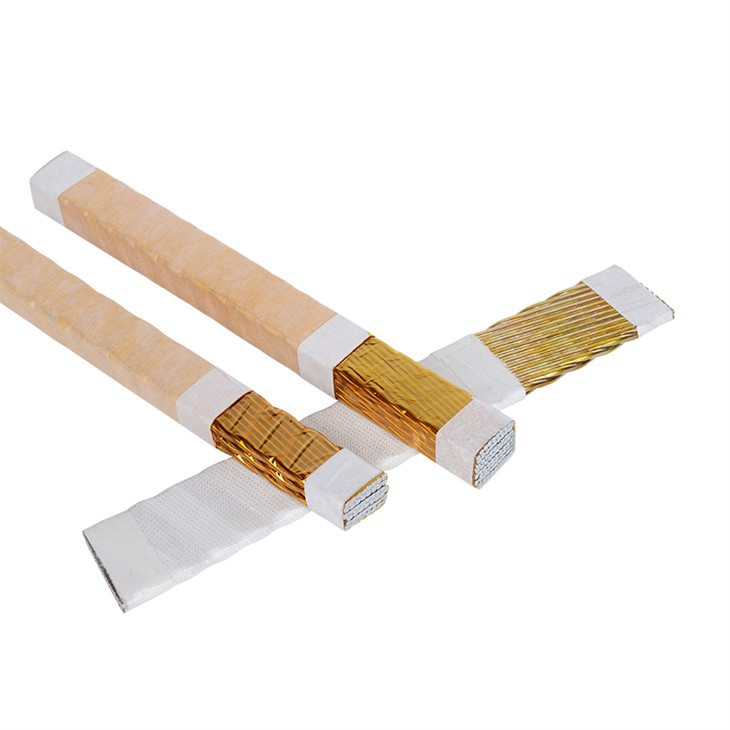
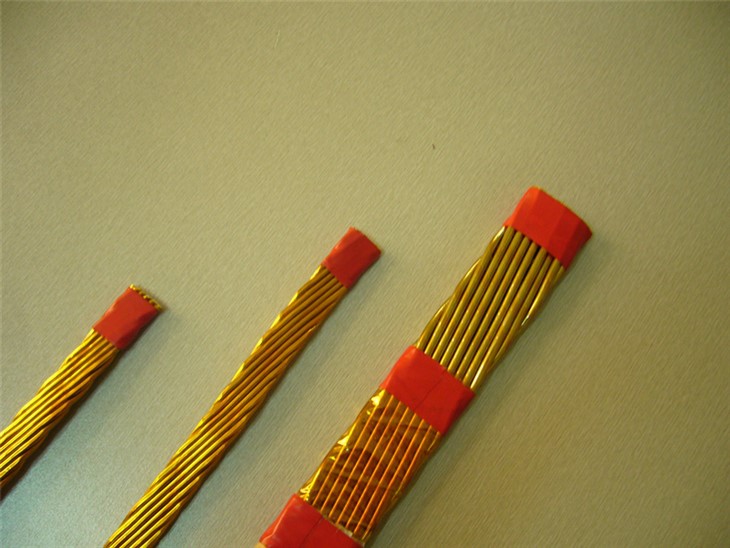
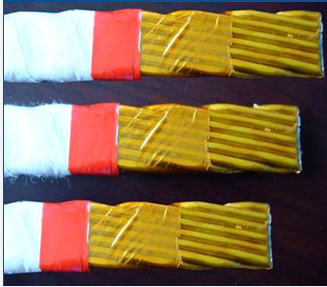
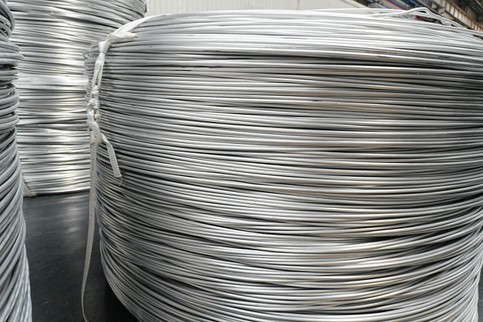
Flat Twisted Cable is a type of cable consisting of multiple twisted conductors that have been pressed into a flat structure; it is primarily used for power transmission, signal connections, and internal wiring within space-constrained equipment.
Core Advantages
Encased in high-performance insulating materials, the product exhibits excellent voltage-withstanding and dielectric breakdown resistance capabilities, effectively mitigating the risks of short circuits and electrical leakage.
During the manufacturing process, strict tolerances are maintained regarding wire diameter and flatness, ensuring compatibility with standardized equipment and automated production lines while enhancing assembly efficiency and consistency.
Conductor specifications, structural configurations, lengths, and insulating materials can be customized to meet specific client requirements.
Application Areas
New Energy & Energy Storage Systems
Applied in energy storage devices, battery modules, and new energy control systems to facilitate stable high-current transmission and ensure secure connections.
Electrical Control & Power Distribution Equipment
Used for internal wiring within power distribution cabinets and control boxes to enhance wiring neatness and minimize electromagnetic interference.
Electronic Devices & Precision Instruments
Suitable for internal interconnections within instrumentation and electronic equipment, ensuring signal stability while meeting requirements for compact installation.
Manufacturing Capabilities
Comprehensive Professional Production Equipment
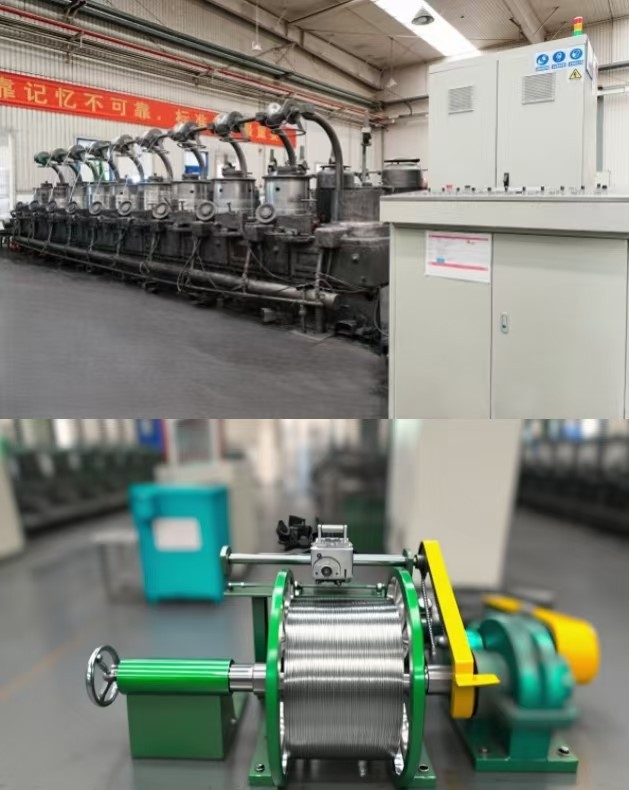
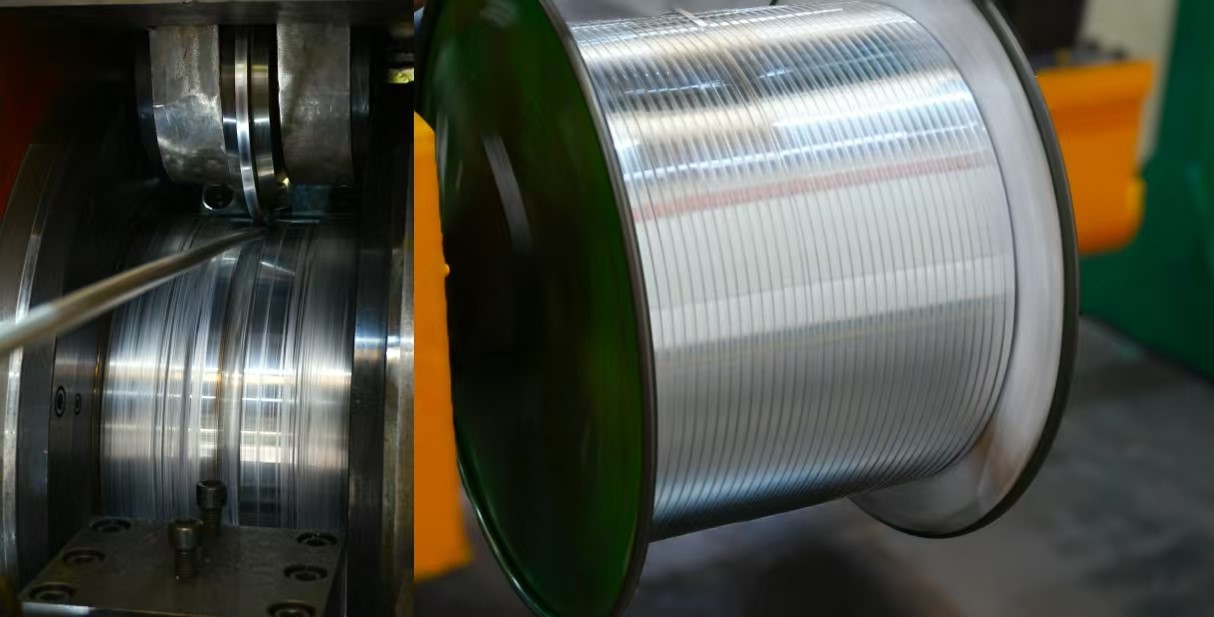
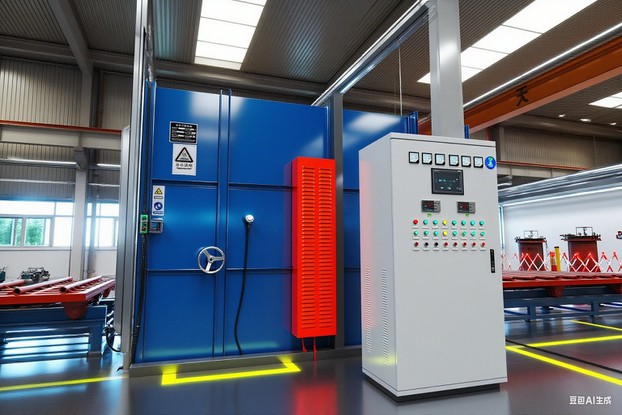
Equipped with high-speed stranding machines, flat rolling and forming equipment, and precision extrusion lines, enabling fully integrated production from conductor processing to finished goods.
Mature Process System Ensuring Stable Quality
Utilizing a process combining multi-strand precision stranding with constant-pressure flattening, we strictly control conductor structure and insulation thickness to ensure product consistency and reliability.
Stable, High-Volume Supply Capability
Possessing large-scale production capabilities, we are able to fulfill long-term orders and meet bulk purchasing requirements, ensuring stable delivery and rapid production scheduling.
Extensive Experience in Exports and OEM
With a long history of exporting products to markets in Europe, the Americas, and Southeast Asia, we are well-versed in international standards and client-specific customization needs, offering comprehensive one-stop OEM/ODM services.
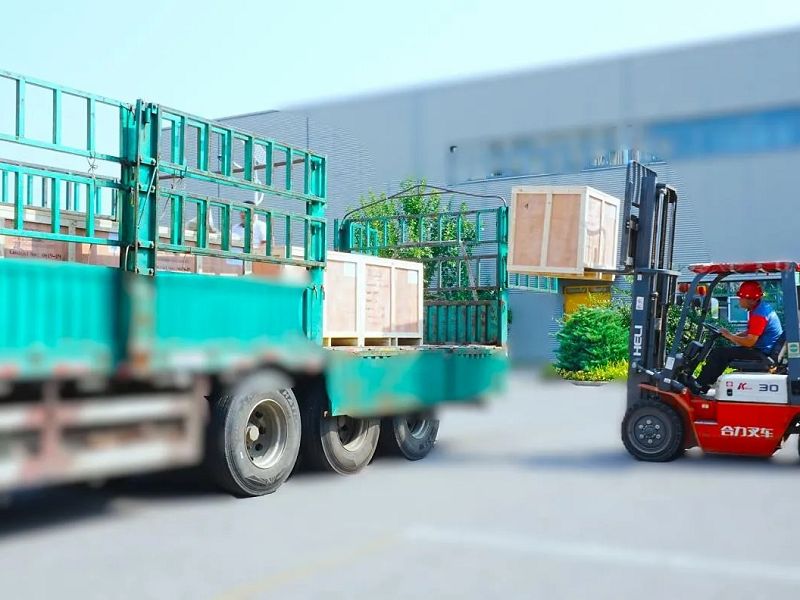
Packing Reference
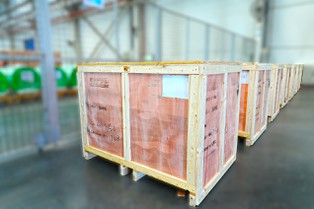
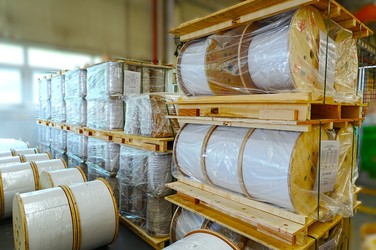
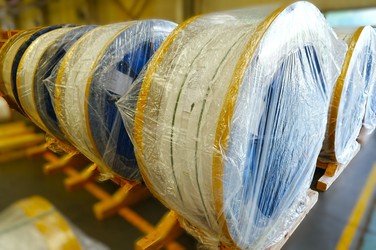
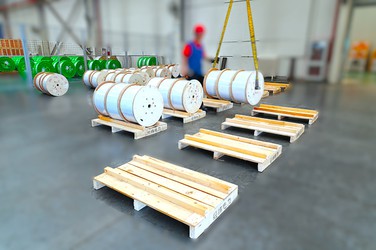
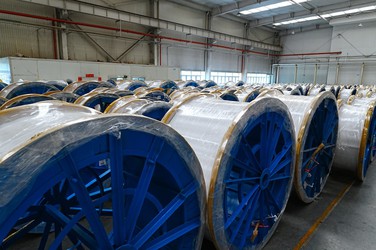
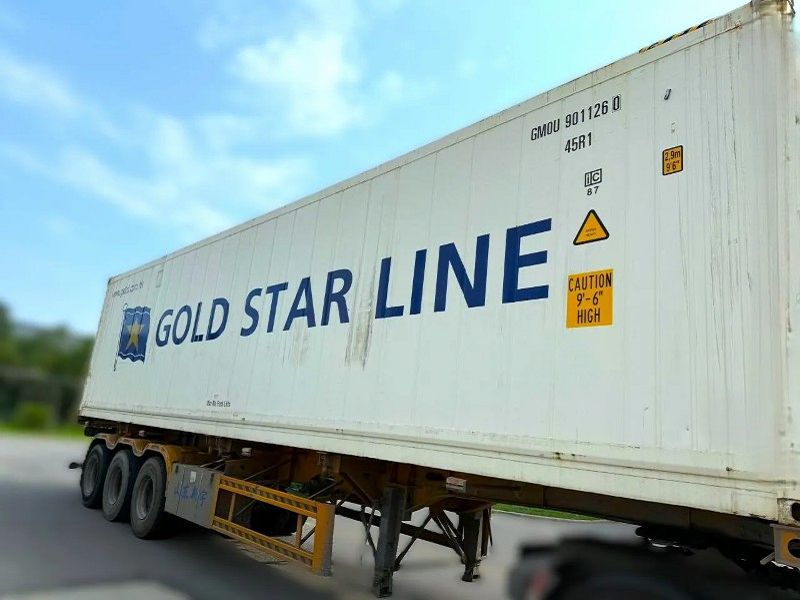
Shipping Options


Hot Tags: flat twisted cable, China flat twisted cable manufacturers, suppliers, factory, electrical flat cable, Flat Twisted Cable, flat twisted pair, stranded cable, twisted flat ribbon cable, twisted pair flat ribbon cable