

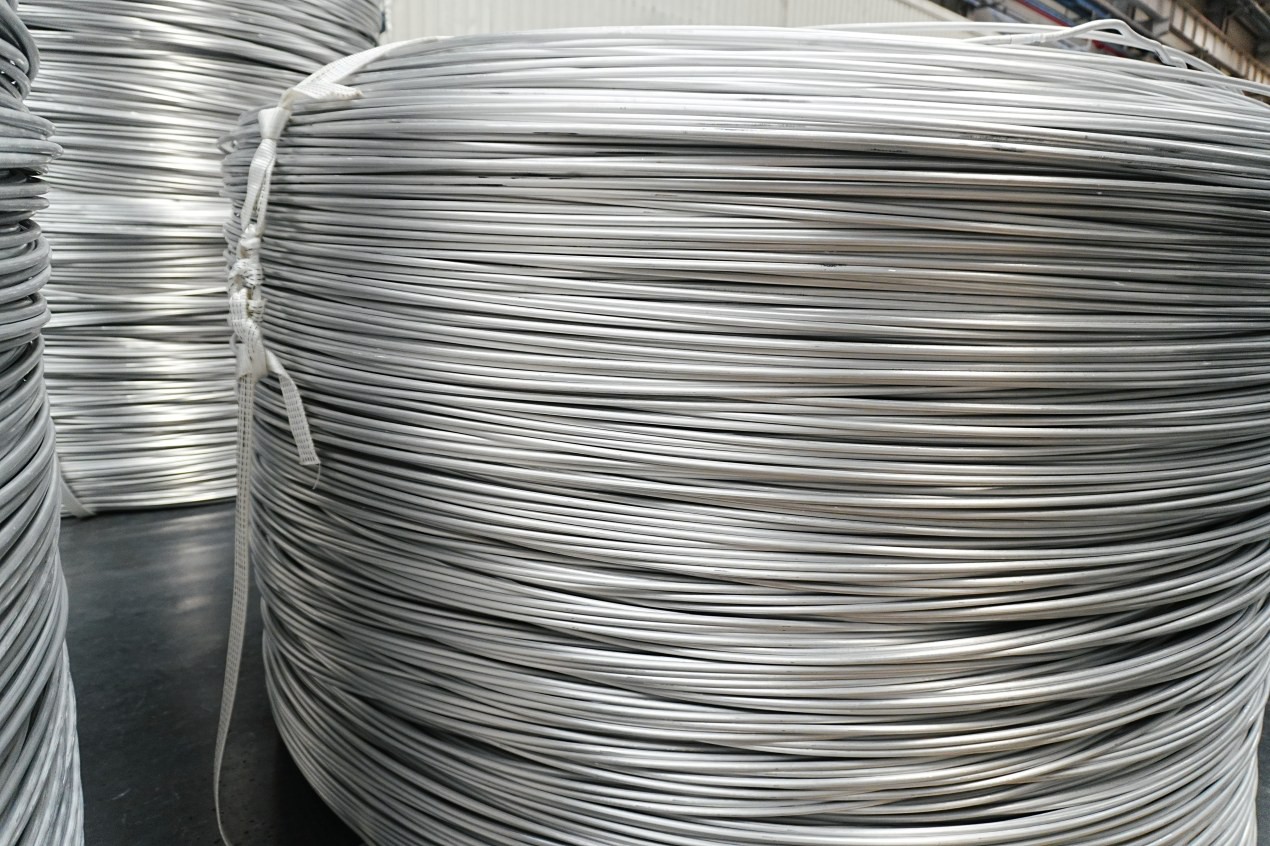
The production of bare aluminum wire involves a process that combines precision machining with rigorous quality control. Wire drawing, extrusion, and annealing are the three core steps. These interlinked processes determine the specifications, performance, and quality of the bare aluminum wire, laying a solid foundation for its application in various fields.
Wire drawing process
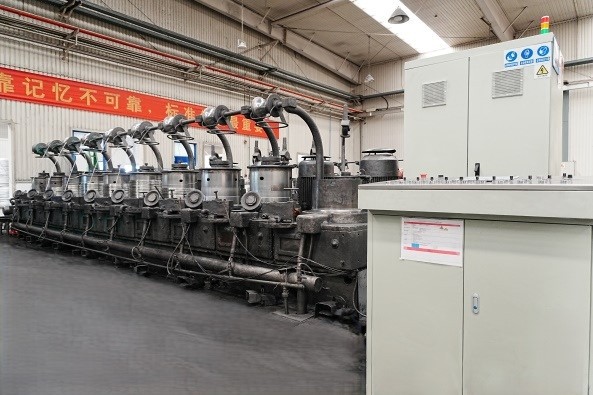
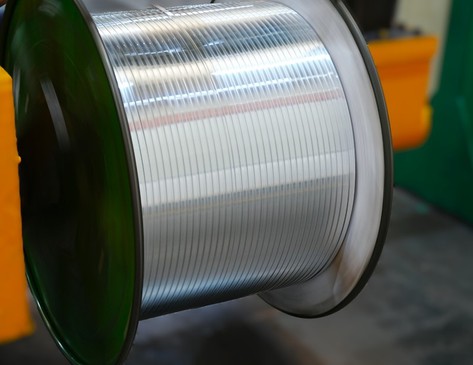
Wire drawing is a core step in forming bare aluminum wire. By pulling an aluminum rod through a series of tungsten carbide dies of decreasing diameter, the wire's diameter is reduced and its length is extended. This process plastically deforms the wire, achieving the desired specifications while also increasing its tensile strength. However, the number of dies and the amount of diameter reduction per pass must be carefully controlled to avoid excessive work hardening and embrittlement of the wire.
The lubrication system is a key auxiliary. Mineral oil or synthetic lubricants form a protective film on the aluminum wire surface, reducing friction and overheating, and extending the life of the die. After drawing, an eddy current flaw detector is used for quality inspection. The probe excites eddy currents and converts them into electrical signals, maintaining the instrument's potential balance. If defects such as cracks in the aluminum wire cause changes in cross-sectional area, disrupting this balance, the system automatically issues an alarm and shuts down the machine, intercepting defective products.
Extrusion process
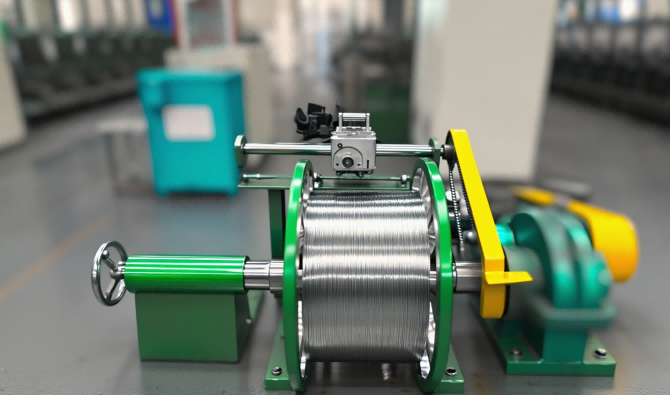
Suitable for producing aluminum wire with complex cross-sections or large diameters. Aluminum billets heated to 400-500°C are extruded under pressure through a die, which determines the cross-sectional shape of the wire. The temperature is controlled according to the alloy composition, and cooling is achieved using water or air to ensure uniform surface quality and performance.
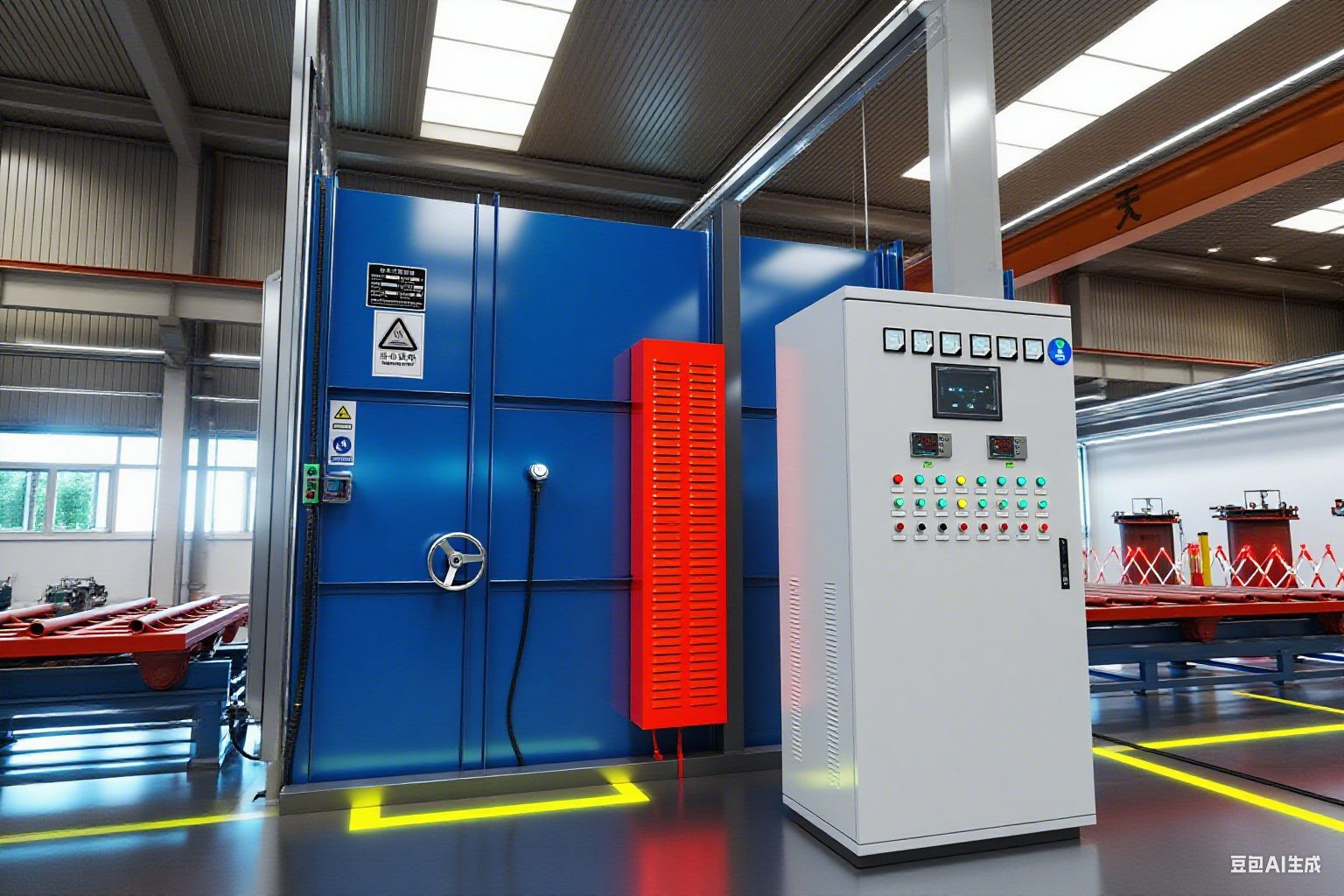
Annealing furnace
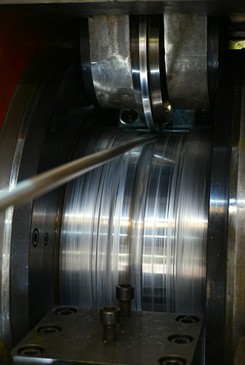
To relieve processing stress, the wire is heated to 360-400°C and held at this temperature to promote grain recrystallization and improve flexibility. Cooling should be slow to avoid the creation of new stresses. Annealed wire is easier to process.
The wire drawing process shapes the basic form of the bare aluminum wire and uses eddy current flaw detectors to ensure initial quality. The extrusion process meets special specifications, and the annealing process optimizes its performance. The three work together to ultimately produce high-quality bare aluminum wire that meets the requirements. From high-voltage transmission networks to substation equipment, each bare aluminum wire silently carries the heavy responsibility of power transmission, driving the power transmission and transformation industry to continuously develop in the direction of efficiency, reliability, and energy conservation.